Why Your Homemade Brownies Are Cakey (And The Simple Shifts That Guarantee Fudgy Perfection Every Time)
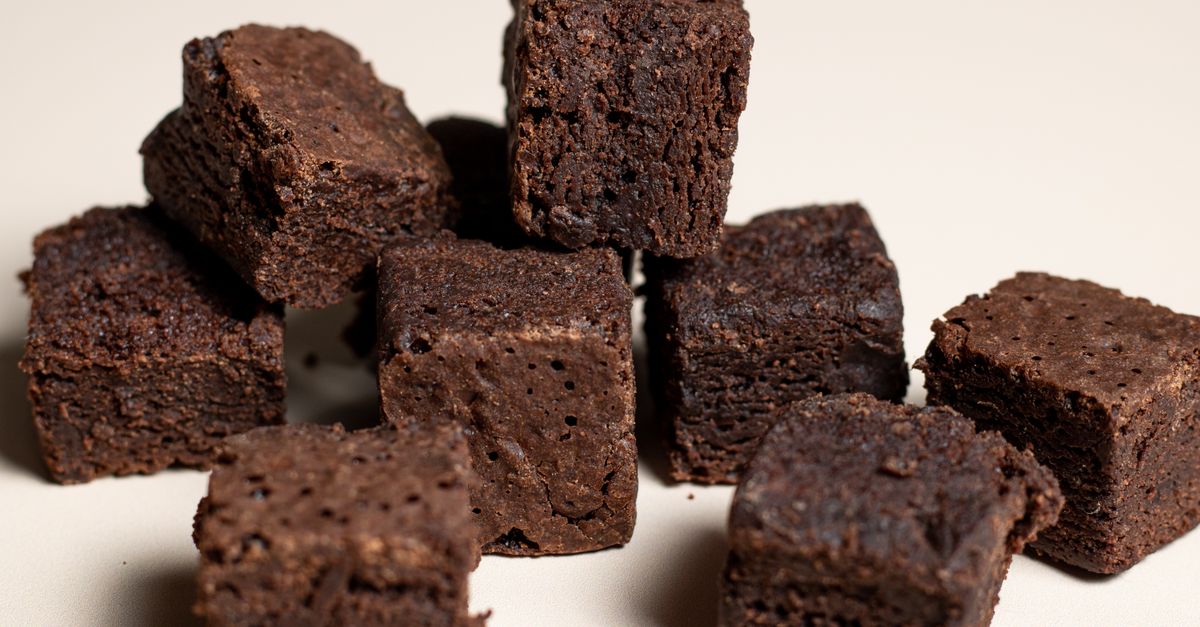
The smell of freshly baked brownies wafting through the house is one of life’s simple pleasures. You’ve got the recipe, the chocolate, the anticipation building, but then… disappointment. You pull them out of the oven, cut into them, and instead of that dense, chewy, almost gooey center you crave, you’re met with something light, airy, and unmistakably cakey. It’s not a bad dessert, but it’s not a brownie. I’ve been there more times than I care to admit, especially when I first started baking. I tried countless recipes, thinking each one held the secret, only to end up with the same fluffy result. The mistake I see most often, and one I made for years, is approaching brownies with a cake-baking mindset. What changed everything for me was understanding that a truly fudgy brownie is a different beast entirely, built on specific ingredient ratios and mixing techniques that defy typical cake logic.
Key Takeaways
- Prioritize a higher fat-to-flour ratio, often using melted butter and a mix of cocoa powder and chocolate, to achieve fudginess.
- Minimize the amount of leavening agents like baking powder or baking soda, as they promote a cakey texture.
- Avoid over-mixing the batter after adding flour, as gluten development leads to a chewier, more cake-like crumb.
- Control the baking time precisely, aiming for slightly underbaked to maintain moisture and a gooey center.
Use More Fat, Less Flour, and Skip the Baking Powder
When I first started trying to bake fudgy brownies, my biggest misconception was that more flour meant more structure, and more structure meant a better brownie. I was wrong. A fudgy brownie, at its core, needs a significantly higher fat-to-flour ratio than a cake. Think of it: cakes rely on a delicate balance of flour, leavening, and fat to create their signature airy crumb. Brownies? We’re actively trying to avoid that.
In my experience, the sweet spot for a truly fudgy brownie involves melted butter (sometimes a combination of butter and oil) and often a mix of both cocoa powder and melted chocolate. The fat coats the flour particles, inhibiting gluten development, which is crucial for that dense texture. Cocoa powder, while providing intense chocolate flavor, contains less fat than melted chocolate, so using both gives you the best of both worlds: deep flavor and fudginess. Many cakey brownie recipes I’ve encountered also call for baking powder or baking soda. My advice? Scale it back drastically, or better yet, omit it entirely for the fudgiest results. If a recipe calls for a full teaspoon of baking powder, cut it down to a quarter or even an eighth. You want just enough lift to avoid a brick, not enough to create a sponge.
For example, a typical cake recipe might use 2 cups of flour to 1/2 cup of butter and a full teaspoon of baking powder. A truly fudgy brownie recipe, on the other hand, might use 1 cup of flour, 1 cup of butter, and only 1/4 teaspoon (or less) of baking powder. This shift in ratios is the single most important change you can make.
Embrace Melted Butter and Eggs for Structure, Not Leavening
The structure of a fudgy brownie comes primarily from eggs, not leavening agents. When you’re aiming for that dense, chewy texture, melted butter is your best friend. Unlike creamed butter, which incorporates air and contributes to a lighter, cakey crumb, melted butter ensures a denser, more liquid base. This allows the other ingredients to come together without excess air, laying the groundwork for fudginess.
Eggs play a dual role here. They provide moisture, richness, and, most importantly, structure through their proteins. However, the key is how you incorporate them. Over-whipping eggs, especially with sugar, can incorporate too much air, which again, leads to a cakey texture. What changed everything for me was learning to whisk eggs just enough to combine them, but not to the point of creating a frothy, aerated mixture. I typically aim for 2-3 large eggs for a standard 8x8 or 9x9 inch pan, sometimes with an extra egg yolk thrown in for added richness and chewiness without adding more liquid.
Consider this: when I’m making a cake, I might cream butter and sugar for five minutes until it’s light and fluffy. For fudgy brownies, I melt the butter, then whisk in the sugar until just combined. The eggs go in next, one at a time, just until the yolk breaks and blends. This careful, minimal aeration is essential. You’re building a foundation for density, not lightness.
Understand the Role of Sugar and Chocolate Blends
Sugar is not just for sweetness; it’s a crucial component for texture in fudgy brownies. The type and amount of sugar significantly impact the final chewiness and moistness. Granulated sugar contributes to a crackly top, while brown sugar (which contains molasses) adds moisture and chewiness. I’ve found that a blend of both often yields the most balanced and satisfying results. Too much granulated sugar can lead to a dryer, more brittle brownie, while too much brown sugar can make them overly moist and almost sticky.
When it comes to the chocolate, this is where many people compromise. Using only cocoa powder is fine for a dark, intense flavor, but for true fudginess, a combination of cocoa powder and melted bittersweet or semi-sweet chocolate is unbeatable. The fat from the melted chocolate contributes significantly to that dense, gooey texture, while the cocoa powder deepens the chocolate flavor without adding excessive sweetness. Using high-quality chocolate, around 60-70% cacao, makes a noticeable difference in both flavor and texture. Avoid milk chocolate, as it’s too sweet and lacks the depth required for a rich brownie.
I always measure my chocolate by weight, not volume, because density varies wildly. A recipe calling for 4 ounces of chopped chocolate means 4 ounces, not ‘about half a cup.’ This precision, especially with fat-contributing ingredients, ensures consistent fudgy results.
Avoid Over-mixing and Over-baking
These two mistakes are the death knell for fudgy brownies. Over-mixing the batter, especially after you’ve added the flour, develops the gluten. Developed gluten means more structure, more elasticity, and ultimately, a cakey brownie. The goal is to mix just until the flour streaks disappear – no more. A few lumps are perfectly acceptable and even desirable. Think of it as a delicate dance: combine, but don’t work.
Over-baking is equally detrimental. A fudgy brownie is a slightly underbaked brownie. When you insert a toothpick into the center, you don’t want it to come out clean. You want moist crumbs clinging to it. The residual heat from the pan will continue to cook the brownies as they cool, a process known as carryover cooking. If you bake until the toothpick is clean, they will be overdone by the time they’re cool enough to eat. I typically pull my brownies when the edges are set and slightly puffed, but the very center still looks a bit wet and jiggly. This is usually around 25-30 minutes for an 8x8 or 9x9 inch pan, but oven temperatures vary wildly, so visual cues are more important than strict timing. What changed everything for me was investing in an oven thermometer to ensure my oven was actually heating to the temperature I set. Once I knew my oven was accurate, I could trust my visual cues more.
For instance, if my recipe states 30 minutes, I start checking at 22-25 minutes. I’m looking for set edges but a wobbly center. If the toothpick comes out completely clean, I’ve gone too far. It’s a fine line, but once you find it for your oven, you’ll consistently get that perfect fudgy texture.
Chill Your Brownies Before Cutting Them
This might seem like a small, optional step, but trust me, it’s a game-changer for consistency and presentation. When brownies are warm, they are incredibly delicate and prone to crumbling. The fats and sugars are still in a more liquid state, making them difficult to cut cleanly. Trying to slice into warm brownies will almost always result in a messy, uneven cut and a less-than-ideal texture. You’ll end up with crumbles rather than clean squares.
Chilling the brownies, ideally for at least two hours (or even overnight in the refrigerator), allows them to firm up. The fats solidify, and the internal structure sets, making them much easier to slice into neat, perfect squares. This also enhances the fudgy texture, making them even denser and chewier. I often make my brownies the day before I plan to serve them, letting them cool completely on the counter before covering and refrigerating. This patience pays off exponentially in both texture and appearance.
Think about it like this: trying to cut a warm brownie is like trying to slice soft butter. Chilling them is like letting that butter firm up in the fridge – the cuts become crisp and clean. A simple shift, but it makes all the difference.
Frequently Asked Questions
Can I make fudgy brownies with only cocoa powder?
Yes, you can make fudgy brownies with only cocoa powder, but you’ll need to ensure the recipe has enough added fat (like butter or oil) to compensate for the lower fat content in cocoa powder compared to melted chocolate. Look for recipes that specify ‘fudgy’ and rely heavily on butter and eggs for texture, rather than melted chocolate.
Why do my brownies have a cracked, shiny top?
That desirable crackly, shiny top is often a sign of good fudgy brownies! It usually comes from whisking the eggs and sugar long enough to create a slight meringue-like structure on the surface before baking, and a high ratio of sugar. It indicates proper sugar dissolution and helps create that iconic brownie texture contrast.
How can I tell if my brownies are done without over-baking them?
Insert a toothpick or thin skewer into the center of the brownies. For fudgy brownies, you want it to come out with moist crumbs clinging to it, but no wet batter. If it comes out clean, they are likely overdone and will be cakey. The edges should be set, but the center should still look slightly soft and might jiggle a bit.
Can I add mix-ins like nuts or chocolate chips to fudgy brownies?
Absolutely! Mix-ins like chopped nuts, chocolate chips, or even dried fruit work wonderfully in fudgy brownies. Add them in during the final stages of mixing, just before transferring the batter to the pan, to ensure they are evenly distributed without over-mixing.
What’s the best pan size for fudgy brownies?
A standard 8x8 inch or 9x9 inch square pan is ideal for fudgy brownies, as it provides enough depth for a thick, dense result. Using a larger pan (like a 9x13 inch) will result in thinner brownies, which are more prone to drying out and becoming cakey if not adjusted carefully for baking time.
Achieving that perfect fudgy brownie texture isn’t about finding a magic recipe, but about understanding a few core principles. By shifting your mindset from cake-baking to brownie-crafting, focusing on fat ratios over flour, minimizing leavening, being mindful of mixing and baking times, and embracing the power of chilling, you’ll be well on your way to consistently baking batches that hit all the right notes of dense, chewy, chocolatey perfection. Don’t settle for cakey; aim for fudgy. Start by adjusting your next batch with these insights, and taste the difference for yourself.
Written by Maya Singh
Home organization and productivity
A former librarian and efficiency expert, Maya excels at curating information into streamlined, actionable advice.
You Might Also Like

7 Non-Obvious Reasons Your Home Always Feels Stuffy (Even with Windows Open)
Discover the overlooked culprits behind a stuffy home, even with open windows. Liam O'Connell shares 7 non-obvious fixes for lasting fresh air.

A Practical Checklist for Choosing a Home Security System That Actually Works
Choosing a home security system? This checklist goes beyond marketing hype to reveal what truly protects your home and avoids common pitfalls.

A Beginner's Guide to Private DNS for Enhanced Browsing Privacy
Unlock better online privacy with a beginner's guide to private DNS. Learn what it is, how it works, and how to set it up for a more secure browsing experience.